
Shower Glass Panels: The Australian Bathroom Renovation Trend
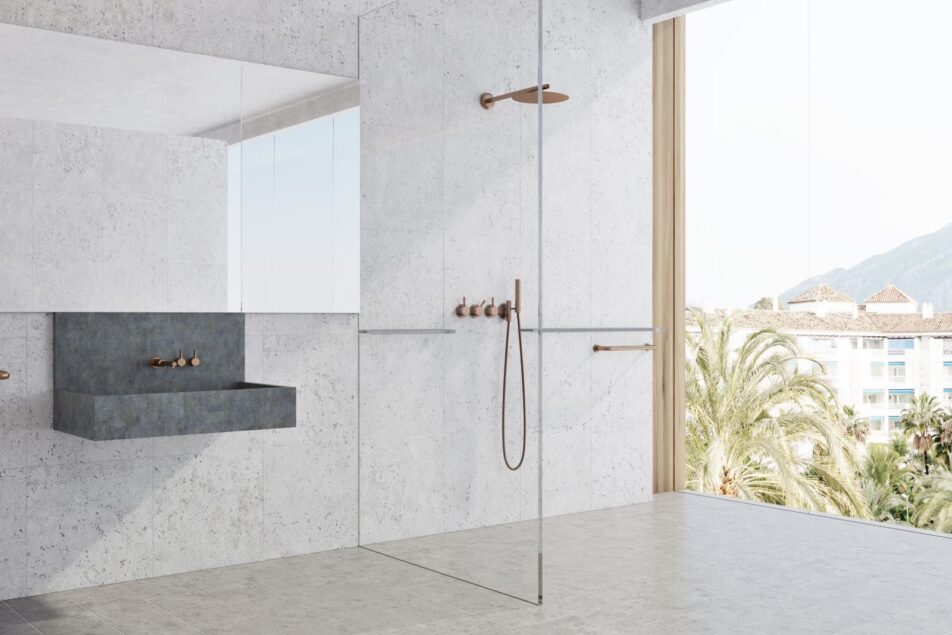
Please note: The images displayed in this blog post are for illustrative purposes only and do not reflect the REGAL Shower Screens range. Please visit the Product pages of our website for a true representation of our products.
Not long ago, the framed shower screen was the default in almost every Gold Coast and Brisbane bathroom. Chrome rails, sliding panels, a track along the bottom that collected soap scum no matter how often you cleaned it. That was just how bathrooms were done.
That’s changed completely. Shower glass panels — fixed, frameless, with minimal hardware — have become one of the most requested products we install. I see it in our inquiry volume, in the homes our team visits, and in the builders who are now specifying frameless panels as standard rather than the exception.
So, what actually happened? This is a genuine shift, not just a social media moment. There is real design, practical and cultural forces driving it. In this piece, I want to explain why this shift happened, what’s driving it right now, and where bathroom design seems to be heading next.
The Rise of Frameless Shower Glass Panels
A few years ago, framed and semi-frameless shower screens dominated most of the bathrooms we were measuring in South East Queensland. The brief was usually the same: a hinged or sliding screen, a frame in chrome or black, something that enclosed the shower and got the job done.
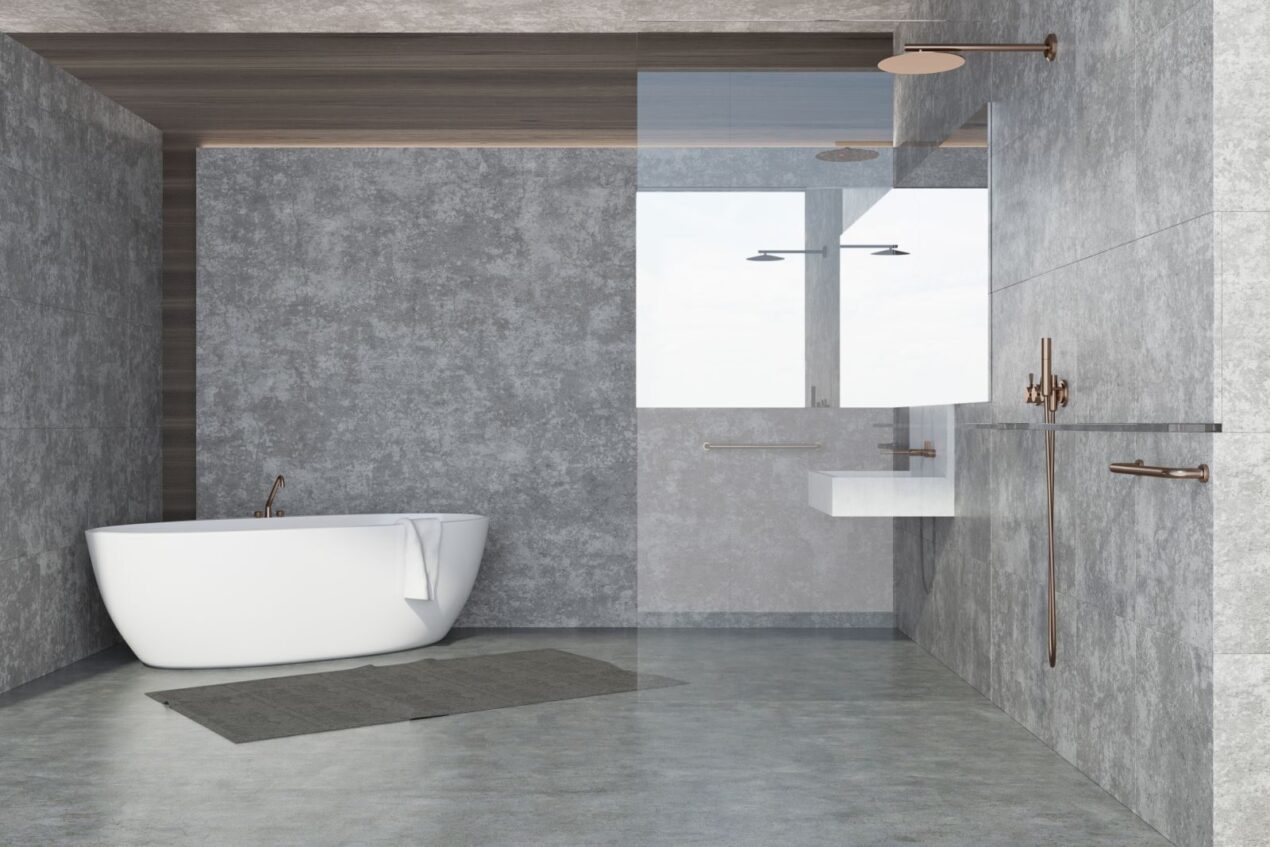
That’s shifted. Frameless glass shower panels — fixed, frameless, with minimal hardware — are now our most-installed shower screen type, and the change has happened faster than most renovation trends I’ve seen in this industry.
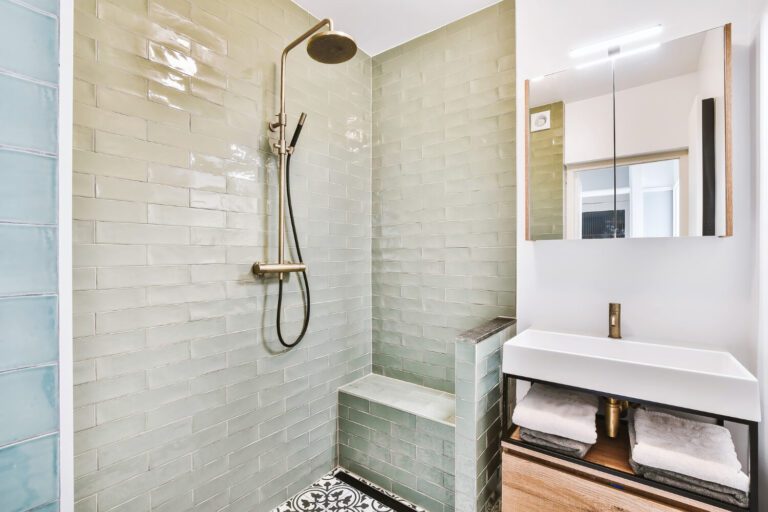
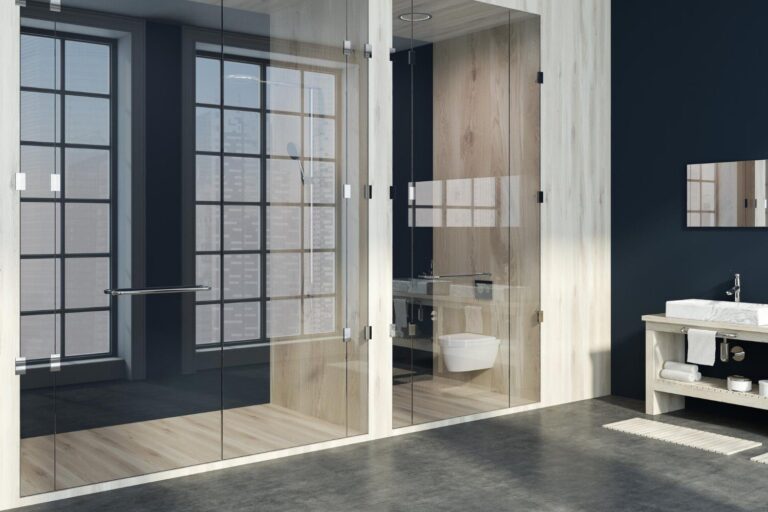
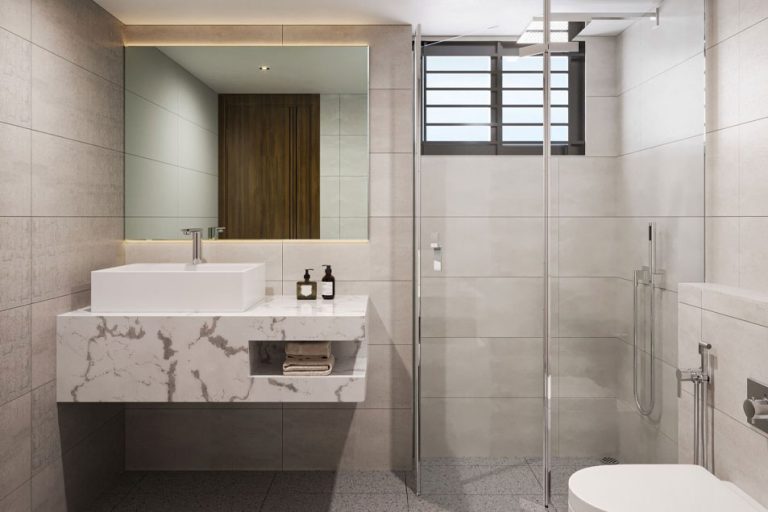
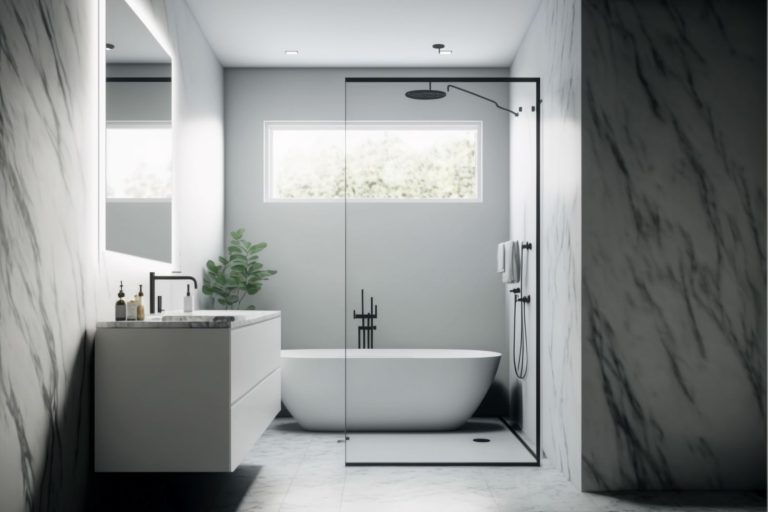
So why are frameless shower screens popular now? Part of it is aesthetic. The single fixed panel has a clean, open feel that framed enclosures simply can’t match. No sliding channels to collect grime, no frame interrupting the sightline, no visual noise. Just glass.
Chris Holmes, Director of Homes by Holmes, also noticed this trend: Our clients consistently request semi-frameless sliding screens and single-panel frameless configurations, as these designs offer maximum functionality and aesthetic appeal — especially in smaller or uniquely shaped bathrooms.
We’re now seeing both clear and fluted options requested in roughly equal measure — something that would have surprised me five years ago, when clear glass was the automatic go-to. The frameless shower screen trend has genuinely changed the way people think about the space..
Why Australian Bathrooms Changed
The bathroom used to be the last room Australians thought about when renovating. Kitchen first, living areas second, bathroom if the budget stretched. That order has flipped.
I’ve watched it happen gradually, then all at once. The bathroom has become a sanctuary — somewhere people genuinely want to spend time. The spa-at-home idea, which felt aspirational a decade ago, is now a real brief that homeowners bring to us. They’re not just replacing a cracked screen. They’re redesigning the whole room around a feeling.
The renovation boom accelerated this. Post-COVID, with more time spent at home, Australians invested heavily in their living spaces. Bathrooms were a priority, and that wave of activity is still visible in bathroom renovation trends Australia-wide — people arriving at consultations knowing exactly what they want, having spent months looking at inspiration online.
Here in Queensland, humidity adds a layer that most people don’t think about until they’re scrubbing mould out of a shower frame. Fewer joints, fewer tracks, fewer seals means fewer places for grime and soap scum to take hold. In a Gold Coast or Brisbane bathroom, that matters. It’s one reason frameless panels have resonated so strongly in this part of the country.
And builders have been a quiet driver of the whole shift. When trades start specifying a product because it installs cleanly and causes fewer headaches down the line, that preference moves through to homeowners quickly.
Fluted Glass: The Texture Trend That Changed the Look
For years, clear glass was the default. If you were getting a shower screen, you were getting clear. Nobody really questioned it.
Then fluted glass arrived in the mainstream, and I don’t think it’s going anywhere.
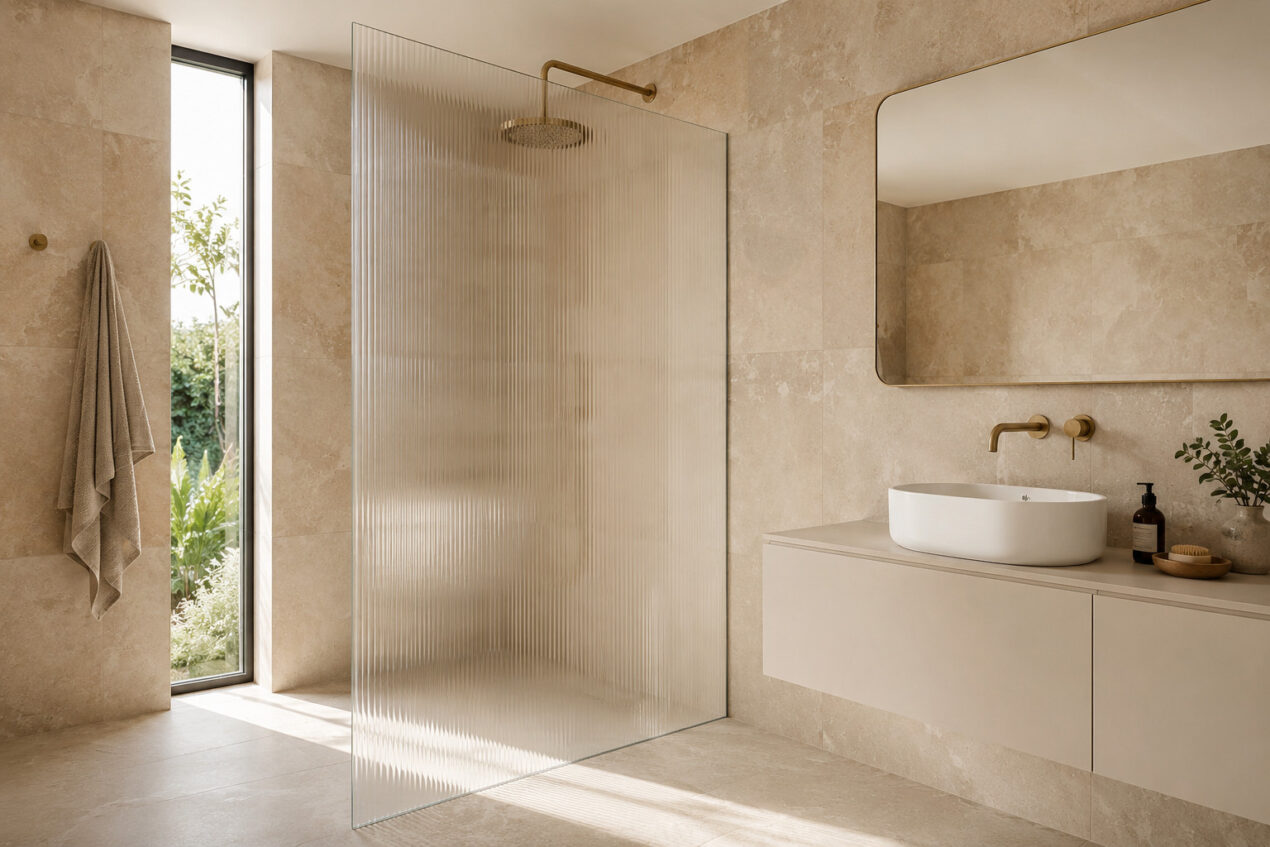
If you haven’t seen it in person, fluted glass — sometimes called reed or ribbed glass — has a series of vertical grooves that catch and diffuse light softly through the panel. It gives a bathroom a warmth that clear glass doesn’t. Walk into a bathroom with a fluted shower panel and it feels considered. Deliberate. There’s a reason people associate it with a spa bathroom feel.
What drove the shift? A few things came together at once. People wanted privacy in the shower without defaulting to frosted glass, which can feel clinical or dated. Fluted fills that gap — it obscures without closing the space down, and it still lets light through. At the same time, the texture movement in Australian bathroom design was gathering pace. Textured tiles, natural materials, layered surfaces. Fluted glass fits that mood exactly.
It also conceals water marks better than clear glass, which is a practical bonus that reinforces the design choice.
At REGAL, both clear and fluted are among our most-requested glass types right now. I’m not saying one is better — that depends entirely on the bathroom and the person. If you’re considering a fluted glass shower screen, our glass shower panel buying guide details how they compare with clear and frosted options.
The fluted glass bathroom trend in Australia has genuine staying power because it solves real problems — privacy and texture — without sacrificing light or openness. That’s a combination that’s hard to argue with.
Hardware as a Design Statement
For most of the 2000s and 2010s, polished chrome was the default hardware finish on shower screens. It came standard, nobody questioned it, and it matched everything because everything else was chrome too.
That’s changed noticeably. I now have clients coming in with a hardware finish already decided before they’ve chosen a glass type for their panel. Brushed brass. Matte black. They’ve seen it in a friend’s bathroom or on a renovation account they follow, and they know exactly what they want.
This is especially visible with shower glass panels. Because the panel is frameless, the brackets and clips are fully exposed — sitting against the tile, alongside the tapware, contributing to the overall finish of the room. The glass recedes, and the hardware becomes the detail people notice.
Homeowners are now treating a shower panel as a considered design element, not just a functional barrier. Choosing a hardware finish is part of that — and increasingly, it’s where the decision starts.
Why This Trend and Large-Format Tiles Arrived Together
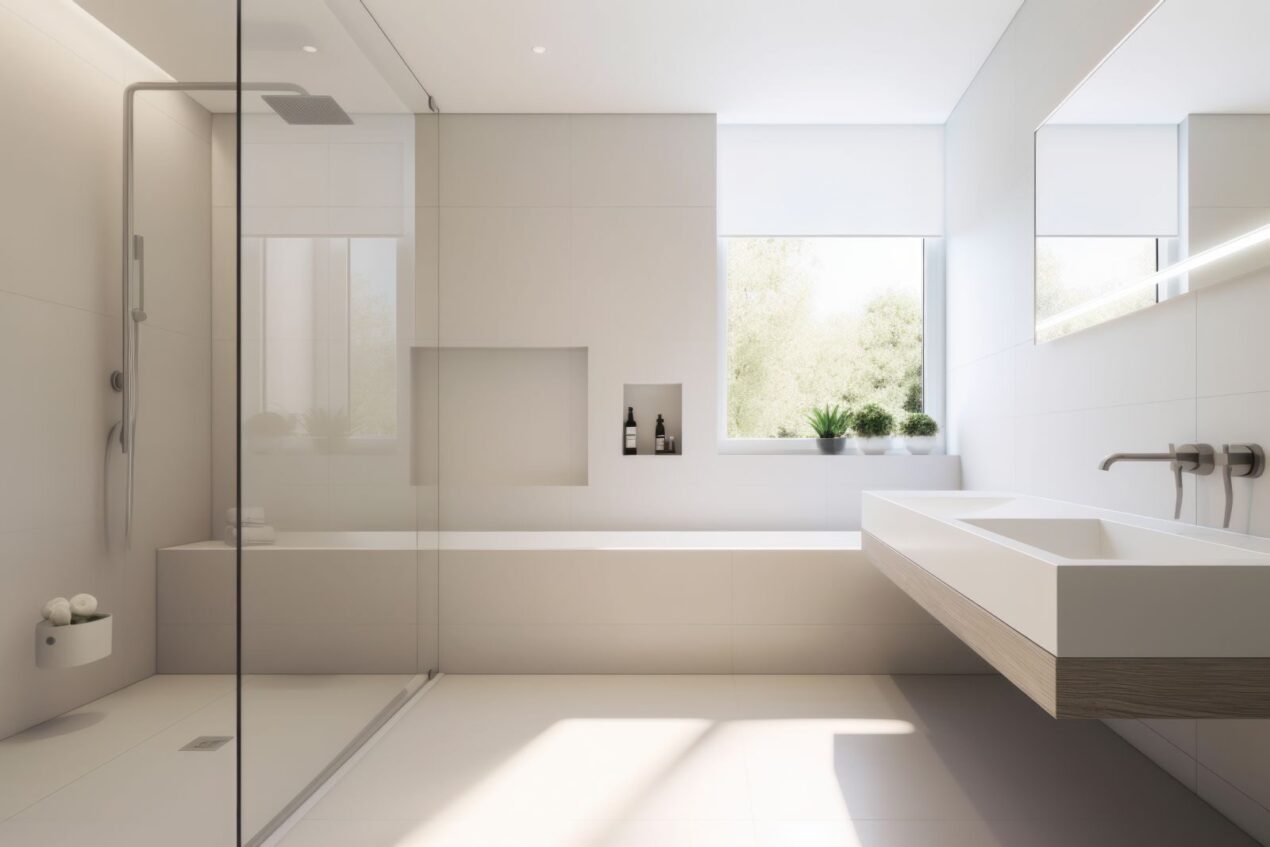
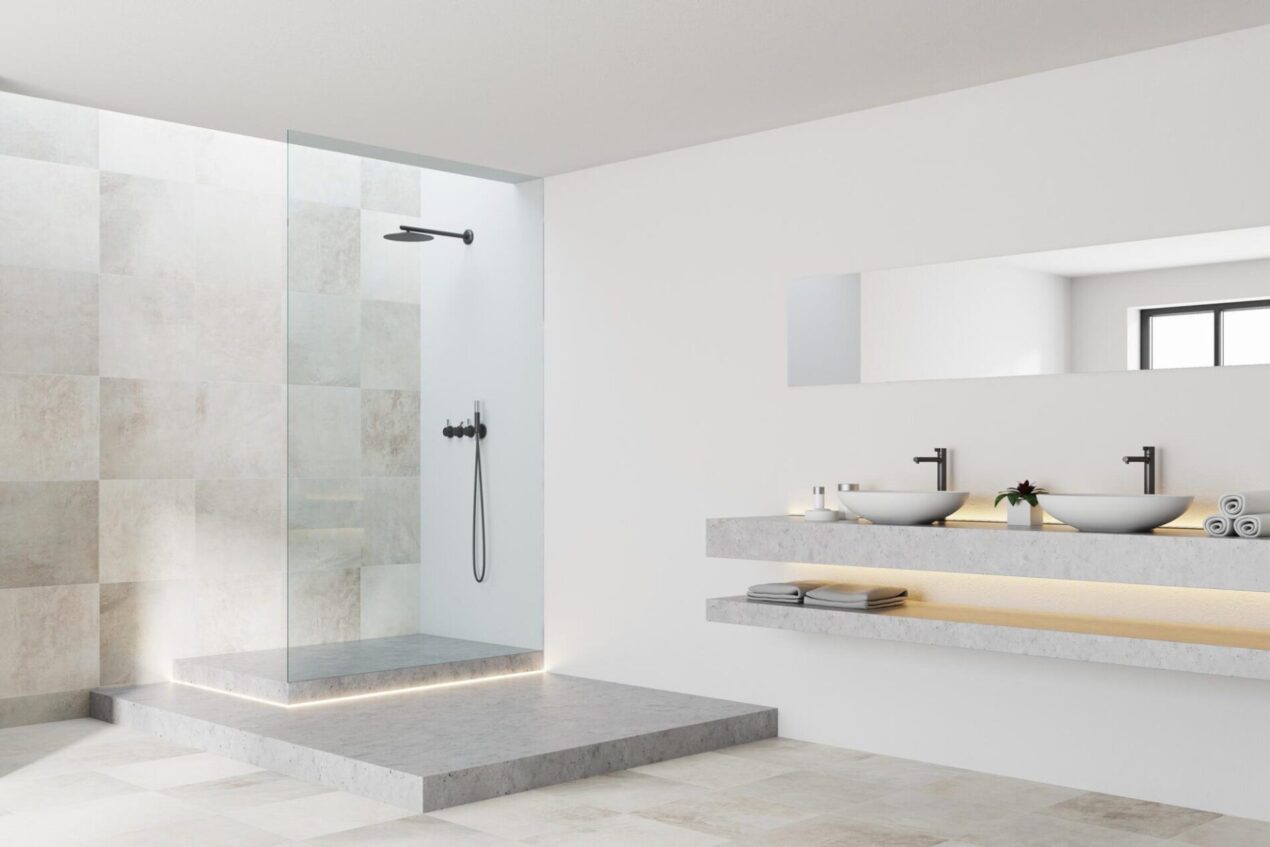
Walk into almost any new bathroom in Gold Coast or Brisbane right now, and you’ll likely see large-format tiles. Floor-to-ceiling. Fewer grout lines. Bigger surfaces. The 300x300mm tile that was standard for years has been replaced by 600x600mm tiles or 600x1200mm slabs in a lot of the homes we’re visiting.
That shift and the rise of frameless shower glass panels are connected, and I don’t think it’s a coincidence.
Large-format tiles look best when they run uninterrupted. A framed shower screen cuts across that surface — the channel and edge profile break the tile visually, and suddenly the material you’ve invested in reads as fragmented rather than continuous. A frameless panel lets the tile do its job. The screen effectively disappears, and the surface takes over.
I’ve noticed these driving decisions in a lot of the bathrooms we measure. Homeowners specifying premium tiles are increasingly unwilling to put a frame around them. The design logic is coherent: if the tile is the feature, the screen shouldn’t compete with it.
Where Bathroom Design Is Heading Next

Bathroom design trends in Australia for 2026 are pointing in a few clear directions, and most of them reinforce what we’ve already been seeing over the last couple of years.
Clear glass isn’t going anywhere. It remains the classic choice for a reason — it maximises light, it suits every tile palette, and it never dates. That won’t change.
What is growing is textured glass. Fluted and reed panels are being chosen not just for privacy now but as a design feature in their own right. People are selecting them specifically for the quality of light they create in the space. That’s a shift from function to intention, and it signals that the trend has genuine depth.
On hardware, warm finishes — brushed brass, brushed gold, bronze — are the clear growth direction. Polished chrome hasn’t disappeared, but it’s no longer the automatic choice it once was.
The single fixed panel itself has settled into its role as the preferred sweet spot — more open than a fully enclosed screen, more practical than a fully open wet room. I don’t see that changing.
Frequently Asked Questions
Frameless Shower Glass Panels Are Here to Stay
Frameless shower glass panels haven’t taken over Australian bathrooms by accident. The design logic is sound, the practical reasons are real, and the cultural shift behind it — bathrooms as spaces worth investing in — isn’t going away.
Fluted glass, warm hardware, large-format tiles. These aren’t separate trends. They’re part of the same move toward bathrooms that feel considered rather than functional.
If you’re at the point where you want to move from inspiration to decision, take a look at our glass shower panels to see what’s possible.
Request a Free Quote Today!
Experience the REGAL difference today by completing the free quote request form below. Your dream space awaits.